A Complete Guide for Healthy Gums in Nigeria
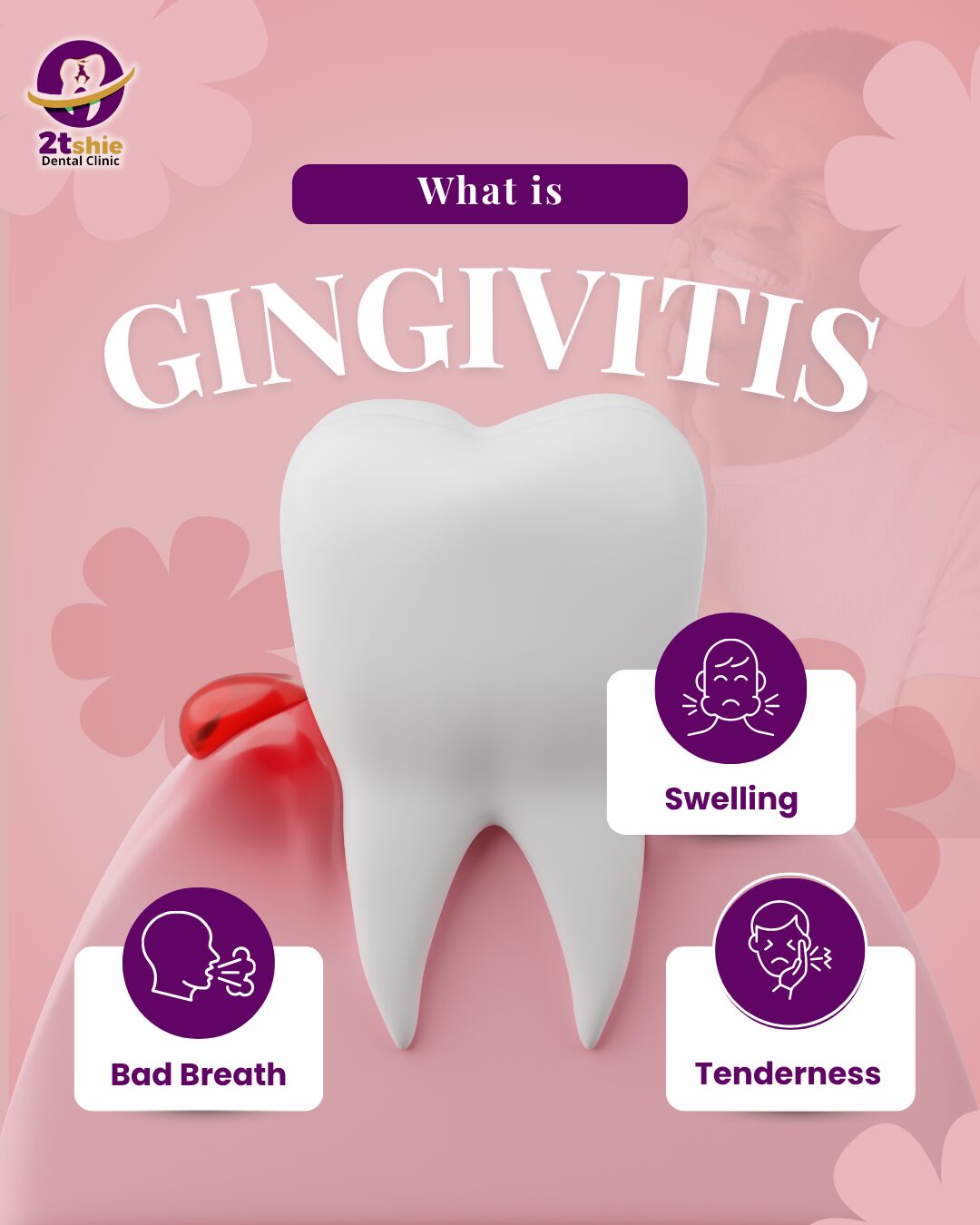
If your gums bleed when brushing or feel swollen and tender, you may be dealing with gingivitis. Gingivitis is one of the most common gum problems affecting both children and adults, yet many people ignore the early warning signs.
The good news is that gingivitis is usually reversible when detected early. In this article, we explain what gingivitis is, the signs to watch for, common causes, and the best treatment options available in Nigeria.
What Is Gingivitis?
Gingivitis is the early stage of gum disease caused by plaque buildup along the gum line. Plaque is a sticky film of bacteria that forms on the teeth every day.
When plaque is not removed through brushing and flossing, it irritates the gums, causing inflammation, redness, and bleeding.
If left untreated, gingivitis can progress into periodontitis, a more serious gum disease that can lead to tooth loss.
Early Signs of Gingivitis
Gingivitis often begins quietly, with mild symptoms that are easy to ignore.
Common Early Signs Include:
- Bleeding gums when brushing or flossing
- Red or swollen gums
- Tender gums
- Bad breath that doesn’t go away
- Gums pulling away slightly from the teeth
- Mild discomfort when chewing
Healthy gums should be pink, firm, and should not bleed easily.
Common Causes of Gingivitis
Several factors can increase your risk of developing gingivitis.
1. Poor Oral Hygiene
Not brushing and flossing properly allows plaque to build up on the teeth and gums.
2. Smoking or Tobacco Use
Smoking weakens the gums and makes it harder for them to heal.
3. Hormonal Changes
Pregnancy, puberty, and menopause can make gums more sensitive.
4. Diabetes
Uncontrolled diabetes increases the risk of gum infections.
5. Poor Nutrition
A diet lacking vitamins—especially Vitamin C—can affect gum health.
6. Certain Medications
Some medications reduce saliva flow or affect the gums.
Is Gingivitis Serious?
Yes—while gingivitis starts mildly, it should not be ignored.
If untreated, it can develop into periodontitis, causing:
- Gum recession
- Loose teeth
- Bone loss around teeth
- Persistent bad breath
- Tooth loss
Early treatment helps prevent these complications.
Treatment Options for Gingivitis
The good news is that gingivitis can usually be treated successfully.
1. Professional Dental Cleaning
A dentist removes plaque and tartar through scaling and polishing.
Benefits:
- Removes harmful buildup
- Reduces gum inflammation
- Freshens breath
2. Improved Oral Hygiene at Home
Daily care is essential after treatment.
Recommended Routine:
- Brush twice daily
- Floss every day
- Use antibacterial mouthwash if advised
3. Treat Underlying Conditions
Managing diabetes, quitting smoking, or adjusting medications may improve gum health.
4. Follow-Up Dental Visits
Regular check-ups help monitor healing and prevent recurrence.
How to Prevent Gingivitis
Prevention is always better than treatment.
Tips to Keep Your Gums Healthy:
- Brush twice daily with fluoride toothpaste
- Floss every day
- Visit the dentist every six months
- Avoid smoking
- Eat a balanced diet
- Drink enough water
- Replace your toothbrush regularly
When Should You See a Dentist?
Visit a dentist if you notice:
- Bleeding gums
- Swollen or painful gums
- Bad breath that persists
- Loose teeth
- Gum recession
Early treatment is easier, faster, and more affordable.
Final Thoughts
Gingivitis is a common but treatable gum condition. The key is to recognize the early signs and act quickly before it progresses into serious gum disease.
Healthy gums are essential for healthy teeth, so don’t ignore bleeding or swollen gums.
Protect Your Gum Health Today
At our dental clinic, we offer professional gum care, dental cleaning, and personalized treatment for gingivitis and other gum problems.
Book your appointment today and take the first step toward healthier gums and a healthier smile.A Complete Guide for Healthy Gums in Nigeria
If your gums bleed when brushing or feel swollen and tender, you may be dealing with gingivitis. Gingivitis is one of the most common gum problems affecting both children and adults, yet many people ignore the early warning signs.
The good news is that gingivitis is usually reversible when detected early. In this article, we explain what gingivitis is, the signs to watch for, common causes, and the best treatment options available in Nigeria.
What Is Gingivitis?
Gingivitis is the early stage of gum disease caused by plaque buildup along the gum line. Plaque is a sticky film of bacteria that forms on the teeth every day.
When plaque is not removed through brushing and flossing, it irritates the gums, causing inflammation, redness, and bleeding.
If left untreated, gingivitis can progress into periodontitis, a more serious gum disease that can lead to tooth loss.
Early Signs of Gingivitis
Gingivitis often begins quietly, with mild symptoms that are easy to ignore.
Common Early Signs Include:
- Bleeding gums when brushing or flossing
- Red or swollen gums
- Tender gums
- Bad breath that doesn’t go away
- Gums pulling away slightly from the teeth
- Mild discomfort when chewing
Healthy gums should be pink, firm, and should not bleed easily.
Common Causes of Gingivitis
Several factors can increase your risk of developing gingivitis.
1. Poor Oral Hygiene
Not brushing and flossing properly allows plaque to build up on the teeth and gums.
2. Smoking or Tobacco Use
Smoking weakens the gums and makes it harder for them to heal.
3. Hormonal Changes
Pregnancy, puberty, and menopause can make gums more sensitive.
4. Diabetes
Uncontrolled diabetes increases the risk of gum infections.
5. Poor Nutrition
A diet lacking vitamins—especially Vitamin C—can affect gum health.
6. Certain Medications
Some medications reduce saliva flow or affect the gums.
Is Gingivitis Serious?
Yes—while gingivitis starts mildly, it should not be ignored.
If untreated, it can develop into periodontitis, causing:
- Gum recession
- Loose teeth
- Bone loss around teeth
- Persistent bad breath
- Tooth loss
Early treatment helps prevent these complications.
Treatment Options for Gingivitis
The good news is that gingivitis can usually be treated successfully.
1. Professional Dental Cleaning
A dentist removes plaque and tartar through scaling and polishing.
Benefits:
- Removes harmful buildup
- Reduces gum inflammation
- Freshens breath
2. Improved Oral Hygiene at Home
Daily care is essential after treatment.
Recommended Routine:
- Brush twice daily
- Floss every day
- Use antibacterial mouthwash if advised
3. Treat Underlying Conditions
Managing diabetes, quitting smoking, or adjusting medications may improve gum health.
4. Follow-Up Dental Visits
Regular check-ups help monitor healing and prevent recurrence.
How to Prevent Gingivitis
Prevention is always better than treatment.
Tips to Keep Your Gums Healthy:
- Brush twice daily with fluoride toothpaste
- Floss every day
- Visit the dentist every six months
- Avoid smoking
- Eat a balanced diet
- Drink enough water
- Replace your toothbrush regularly
When Should You See a Dentist?
Visit a dentist if you notice:
- Bleeding gums
- Swollen or painful gums
- Bad breath that persists
- Loose teeth
- Gum recession
Early treatment is easier, faster, and more affordable.
Final Thoughts
Gingivitis is a common but treatable gum condition. The key is to recognize the early signs and act quickly before it progresses into serious gum disease.
Healthy gums are essential for healthy teeth, so don’t ignore bleeding or swollen gums.
Protect Your Gum Health Today
At our dental clinic, we offer professional gum care, dental cleaning, and personalized treatment for gingivitis and other gum problems.
Book your appointment today and take the first step toward healthier gums and a healthier smile.